Story · 2026-10-15
SDTC's chair moved the motions that paid her company. Ottawa was there.
The government had a man at the table, and it knew nobody recused from the COVID payments.
In March 2020 and again in March 2021, the board of Ottawa's green-tech fund voted COVID cash across its portfolio, including to companies its own directors had declared conflicts with, and the Ethics Commissioner found the chair broke the Conflict of Interest Act "knowing that NRStor would benefit". An assistant deputy minister from Industry regularly attended its board meetings and was in the room for the COVID decision. The department knew no one recused from the COVID payments, and did no audits of the fund from 2017 to 2023. Now Industry has told the Commons that the fund's board chose not to chase the money, because recovery "was not likely to be successful, and not in the public interest", and that the department accepted it.
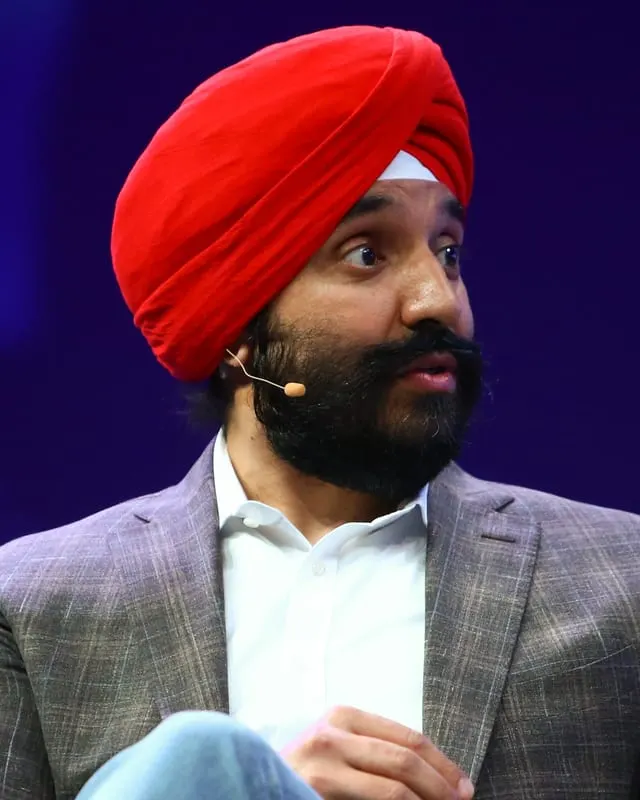
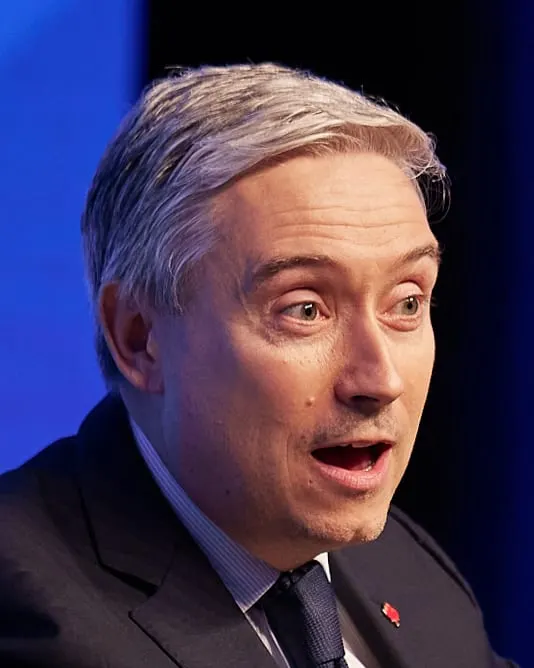
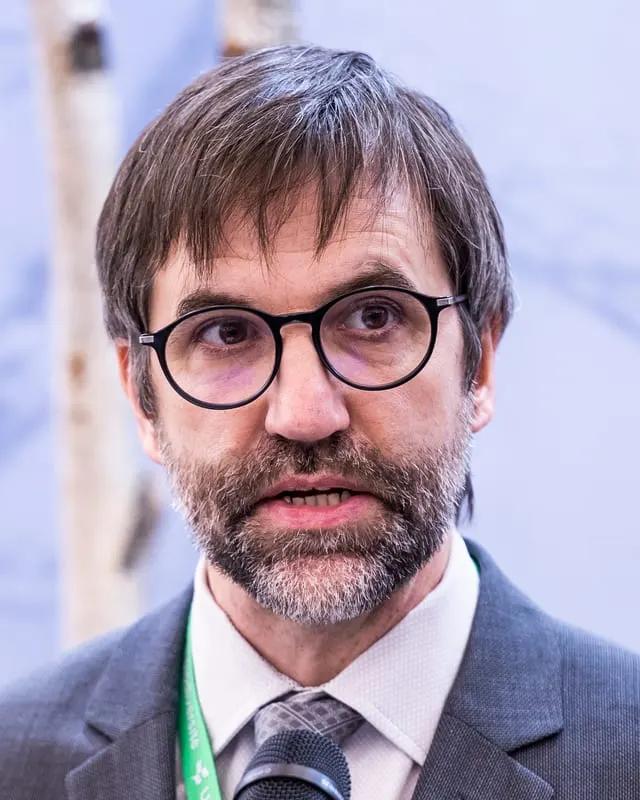
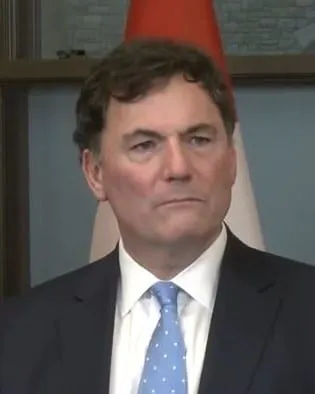
Annette Verschuren, Chair, June 2019 to November 2023, while also chair, CEO and majority shareholder of NRStor, the company she founded · Andrée-Lise Méthot, Director 2016 to 2021; founder and managing partner of Cycle Capital · Leah Lawrence, President and CEO, to November 2023 · Andrew Noseworthy, Assistant deputy minister at Industry, who attended board meetings from 2017 to early 2023 · Navdeep Bains, Innovation minister to 11 January 2021; the chair was appointed on his ministry's recommendation · François-Philippe Champagne, Industry minister, 12 January 2021 to 13 March 2025 · Steven Guilbeault, Cycle Capital adviser before politics; held a passive interest, Méthot testified · Dominic LeBlanc, Recused from cabinet's appointment of his friend Stephen Kukucha to SDTC's board · Stephen Kukucha, Director from 5 February 2021 to May 2024 · Gary Lunn, Governor in Council director (Harper-era appointee), 13 December 2012 to 5 February 2021
In March 2020 the board of Sustainable Development Technology Canada, a federal green-tech fund, voted COVID relief to 118 companies in its portfolio. Its chair, Annette Verschuren, moved the motion. One of the companies was NRStor, the company she founded; as chair she "remained Chair, CEO, and majority shareholder" of it. It got $217,661 over the 2020 and 2021 votes, and the Ethics Commissioner found she broke the Conflict of Interest Act.
It was public money: $836.0M approved across the whole program in the audit years. The Auditor General counted 90 cases where the fund's conflict rules were not followed, and $59.0M approved for projects that did not qualify.
Ottawa was not watching from afar. Its own assistant deputy minister sat in on the board, was there for the COVID decision, and told his deputy minister. The department knew nobody recused from the COVID payments and backed them anyway. In September 2026 Industry tabled its answer in the Commons: the fund's board would not pursue an estimated $34.0M paid to 5 ineligible projects, because recovery "was not likely to be successful, and not in the public interest", and the department had sent a letter "acknowledging and accepting the approach".
Our read
The Auditor General and the Ethics Commissioner found it, and the record carries it. The chair of a fund holding public money moved and took part in the decisions of March 2020 and March 2021 that paid her own company, after being advised in 2019, by her own account, to recuse herself from her conflicts. The board voted COVID cash while directors held declared conflicts, in 63 cases. The fund broke its own conflict rules 90 times and approved $59.0M for projects that did not qualify. Her side: she believed she was within the Act, on a lawyer's advice. The Commissioner found that advice was no excuse.
Our read: this was not a board that slipped while Ottawa wasn't looking. Ottawa was looking. Its assistant deputy minister was in the room for the COVID decision, told his deputy, and knew the minister had been written to. He "did not see my role there as having any type of policing function". The department knew no one recused from the COVID payments and backed them anyway. It did no audits of the fund from 2017 to 2023. The whistleblower's file sat at Industry 227 days, from 16 February to 1 October 2023, before new funding stopped; the minister was briefed on 27 September. And when the bill came due, the board decided not to pursue an estimated $34.0M paid to 5 ineligible projects, because recovery "was not likely to be successful, and not in the public interest", and Industry's tabled answer says the department accepted it.
In our read, this fund was a pot of public money run by insiders, voted out to a circle that included their own companies, with the government's own official at the table. Cabinet picked the chair and 6 other directors, one of them a minister's friend. The all-party Public Accounts committee called on the government to recoup the money. The fund's board decided not to, and Industry accepted it.
The sums. In the audit years the fund approved $836.0M for 226 projects. That is the whole program, not only the faulty part: $37 from every Canadian who owed income tax. Over its life, Industry says "over $2.1B" was made available to it, again the whole program: $93 a taxpayer. The estimated $34.0M left with the 5 projects is about $2 from every taxpayer, by the fund's own re-review. The Auditor General's count of ineligible funding is $59.0M on 58 projects examined ($3 a taxpayer), and she estimated 16 more ineligible among the other 168. Per-taxpayer figures divide by the 22,569,834 returns with tax payable for 2024. The $59.0M and the $76.0M may overlap, so we never add them.
The minister whose department held the whistleblower's file for 227 days now runs Canada's budget. Would you hand him, or anyone from that board, the next billion?
The story
Sustainable Development Technology Canada was a federal foundation that gave public money to clean-technology companies. It reported through the Minister of Innovation, Science and Industry. Cabinet named its chair and 6 other directors on the minister's recommendation; the members named the other 8.
On 4 June 2019 Annette Verschuren spoke to the Ethics Commissioner's office about becoming chair. She was chair, CEO and majority shareholder of NRStor, an energy-storage company she founded, and sat on the boards of the Verschuren Centre and MaRS, business accelerators. By her own account she was told she could serve so long as she recused herself from any decision in which she was in a conflict. Cabinet appointed her on 19 June 2019, on Navdeep Bains's recommendation.
On 23 March 2020, as COVID hit, the board voted $17.9M in relief to 118 companies in its portfolio. A lawyer from Osler had told the board that because the payment was an omnibus measure with no list of projects, directors with conflicts could stay. Verschuren moved the motion, and NRStor was paid. Andrée-Lise Méthot, whose Cycle Capital held stakes in portfolio firms, stayed and voted; she later called it "the only vote I may have cast, unknowingly", for her firm's companies. Andrew Noseworthy, an assistant deputy minister at Industry, regularly attended board meetings. "I was there," he told MPs. He informed his deputy minister, and he knew the fund had written the minister.
In January 2021 François-Philippe Champagne became Industry minister. On 5 February 2021 cabinet named Stephen Kukucha a director; Dominic LeBlanc had recused himself from that decision because Kukucha was his friend. On 9 March 2021 the board did it again: $20.5M to 102 companies. Verschuren moved it again. NRStor's payments came to $217,661.
Around 27 January 2023 a whistleblower went to a director. The Privy Council Office sent the file to Industry on 16 February. Champagne was briefed on 27 September, with a recommendation to pause funding, and new money stopped on 1 October: 227 days after the file arrived. The whistleblower, Israr Ahmad, later told MPs the outcome changed only "when the minister's office became involved". Champagne answered: "People are entitled to their opinion, but they're not entitled to their own facts." Verschuren resigned as chair on 22 November 2023.
In June 2024 the Auditor General reported. In the COVID votes she counted 63 cases where "directors voted while having previously declared conflicts of interest". In all, the fund's conflict policies were not followed in 90 cases. It approved $59.0M for 10 projects that did not qualify, of 58 she examined. Industry knew the COVID payments involved no recusals and supported them anyway, had not asked for the conflict reports it was owed "without delay", and did no audits from 2017 to 2023. The board had read the official's presence as "an implicit agreement by the department".
In July 2024 the Ethics Commissioner found that Verschuren broke the Act: "She participated in those decisions knowing that NRStor would benefit from the funding." The lawyer's advice was no excuse; "relying on an external legal opinion does not absolve a public office holder". That fall the Public Accounts committee heard Méthot, Noseworthy and others. It called on the government to recoup the money, the National Post reported.
In September 2026 Industry tabled its answer to a Conservative MP, Luc Berthold, signed by the minister. The fund's own re-review of 173 projects had found 5 ineligible and another funded for ineligible costs; those 5 "collectively received approximately" $34.0M. The board "determined that it would not pursue recovery", on legal advice, because the agreements were "negotiated and performed by funding recipients in good faith", and it was "determined that further pursuit of recoveries was not likely to be successful, and not in the public interest". Industry sent the fund a notice of breach, and "a letter acknowledging and accepting the approach taken by Sustainable Development Technology Canada's Board".
Their side
SDTC was "an arm's length foundation, with an independent Board of Directors responsible for overseeing its operations, including decisions on project funding", Industry says, and it kept "ongoing, but targeted oversight" through the contribution agreement. The COVID decision "was taken with great urgency and with a view that companies were in the process of collapsing", Noseworthy told MPs, on legal advice he took "at face value". The chair relied on the board's lawyer, and told the minister before her appointment that NRStor expected payments. The Commissioner found "there was no evidence that she attempted to influence the decision of her colleagues", and that she did not break section 9 of the Act. Méthot told MPs she declared a conflict on the Cycle companies SDTC funded and recused herself ("I always recused myself"), and that the gain at stake at the COVID vote was small: "the maximum gain from these measures was $155 for GreenMantra and $91 for MineSense." The fund's own re-review found 5 projects ineligible, against the Auditor General's 10, and Industry's answer says the agreements were "negotiated and performed by funding recipients in good faith". Méthot testified that Guilbeault holds no shares in Cycle Capital and has been paid nothing from his passive interest. New funding was paused on 1 October 2023, after Champagne was briefed on 27 September, and the government decided to move SDTC's programming to the National Research Council. Noseworthy: "In the cases where I saw people recuse themselves, they left the room."
- Innovation, Science and Economic Development Canada: Appearance before the Standing Committee on Public Accounts: Deputy Minister of Innovation, Science and Industry
- House of Commons Standing Committee on Public Accounts: Evidence, meeting 154 (44th Parliament, 1st Session), the evidence
- Conflict of Interest and Ethics Commissioner: The Verschuren Report, the findings on section 9 and on influence
All 7 sources
- House of Commons Standing Committee on Public Accounts: Evidence, meeting 154 (44th Parliament, 1st Session), Andrew Noseworthy's testimony
- House of Commons, sessional paper 8555-451-1256: Response to Order Paper question Q-1256 (Luc Berthold), from Innovation, Science and Economic Development Canada, the reply, paragraphs 2 to 4
- Innovation, Science and Economic Development Canada: Appearance before the Standing Committee on Public Accounts: Deputy Minister of Innovation, Science and Industry, the answer on audits
- Innovation, Science and Economic Development Canada: Appearance before the Standing Committee on Public Accounts: Deputy Minister of Innovation, Science and Industry, the opening remarks
The answer
Urgency explains March 2020. It does not explain March 2021, a year later, when the same board voted the same way with the same lawyer's cover. The Commissioner threw out the legal-advice defence in one line: "relying on an external legal opinion does not absolve a public office holder". The chair had been told, before she sat, to recuse. Méthot puts the maximum gain for GreenMantra at $155; she told MPs of her firm, "We're 10.0% shareholders, on average." The Auditor General counted 63 cases of directors voting with declared conflicts, not a single lapse. Arm's length is not blindfolded: the contract required conflicts be reported "without delay", and Industry had not asked for them, did no audits from 2017 to 2023, and sat in the room. A recipient's good faith is no answer to whether taxpayers get their money back. It only tells you who the board decided would not pay, with Industry's acceptance.
What we are chasing
- Which directors cast the 63 conflicted COVID votes, and for which companies?Would settle it: the board minutes of 23 March 2020 and 9 March 2021, in the papers the House ordered produced in 2024; an Order Paper question to Industry naming each director and company.
- What did SDTC write the minister about the COVID payments, and what came back?Would settle it: an access request to Industry for SDTC's letters to the minister and the minister's office's replies, March 2020 and March 2021, and Noseworthy's note to the deputy minister.
- Which 5 projects keep an estimated $34.0M, and why did Industry accept the board's decision?Would settle it: an access request to Industry for the letter accepting the board's approach, the notice of breach and the legal advice behind "not in the public interest"; the answer names no project.
- Did the minister's office soften the consultants' report?Would settle it: an access request to Industry for drafts and emails between the deputy minister's office and the minister's office on the RCGT report, 1 August to 31 October 2023.
- What was Guilbeault's passive interest worth, and when did it end?Would settle it: his public declarations and summary statements in the Ethics Commissioner's registry, and the Lobbying registry's Cycle Capital returns he is listed on.
- Did Kukucha declare any conflict at SDTC, and how did he vote in March 2021?Would settle it: the 9 March 2021 minutes and the board's conflict register, from the House production.
- Where is the RCMP investigation?Would settle it: an access request to the RCMP for file-opening records since August 2024, and a status question to its media office each quarter.
- What did the executives and the board walk away with?Would settle it: an Order Paper question on severance, bonuses and fees paid to SDTC's CEO, executives and directors, 2023 to 2025.
The receipts
Each fact with its document and date. Tap a figure for its source.
The chair
- Annette Verschuren was appointed SDTC's chair by the Governor in Council on 19 June 2019. The Governor in Council appoints the chair "on the recommendation of the Minister of Innovation, Science and Industry". That was Navdeep Bains. “on the recommendation of the Minister of Innovation, Science and Industry”Conflict of Interest and Ethics Commissioner (2024-07-24) ↗
8 more receipts, 2 to 9
- The Governor in Council appoints the chair and 6 directors on the minister's recommendation; the members appoint the other 8. “The other eight directors are appointed by the members”Conflict of Interest and Ethics Commissioner, the section on SDTC's governance (2024-07-24) ↗
- As chair she "remained Chair, CEO, and majority shareholder of NRStor Inc., a company she founded", and stayed on the boards of the Verschuren Centre and MaRS, business accelerators. “remained Chair, CEO, and majority shareholder of NRStor Inc., a company she founded”Conflict of Interest and Ethics Commissioner (2024-07-24) ↗
- She was told before she took the seat. On 4 June 2019 she spoke to a Compliance Advisor in the Commissioner's office and, by her own recollection of the call, was advised her conflicts would not stop her serving "as long as she followed the rules", "including by recusing herself from any discussion or decision in respect of which she would be in a conflict of interest". “including by recusing herself from any discussion or decision in respect of which she would be in a conflict of interest”Conflict of Interest and Ethics Commissioner (2024-07-24) ↗
- She moved the COVID relief motions in March 2020 and March 2021. NRStor got $106,176 in 2020 and $111,485 in 2021, "for a total of $217,661". “for a total of $217,661”Conflict of Interest and Ethics Commissioner (2024-07-24) ↗
- The finding, 24 July 2024: "She participated in those decisions knowing that NRStor would benefit from the funding. They furthered her private interests, and she should have recused herself." She contravened subsection 6(1) and section 21 of the Act. “She participated in those decisions knowing that NRStor would benefit from the funding.”Conflict of Interest and Ethics Commissioner (2024-07-24) ↗
- She contravened them again, on funding for companies nominated by MaRS and the Verschuren Centre, where she "followed a practice to abstain from the vote instead of recusing herself". “Ms. Verschuren followed a practice to abstain from the vote instead of recusing herself”Conflict of Interest and Ethics Commissioner, Finding on issue 1 (2024-07-24) ↗
- Her side, as the Commissioner gives it: she relied on the board's lawyer and "believed at the time that she had acted within the bounds of the Act". The Commissioner: "relying on an external legal opinion does not absolve a public office holder from their requirements under the Act." “relying on an external legal opinion does not absolve a public office holder from their requirements under the Act”Conflict of Interest and Ethics Commissioner, the analysis of issue 2a (2024-07-24) ↗
- Her own words in 2019, declaring NRStor: "[t]here could be more applications in the future which I would obviously have to recuse myself from". She told the Commissioner she had raised NRStor's expected payments with the minister and deputy minister before her appointment. “could be more applications in the future which I would obviously have to recuse myself from”Conflict of Interest and Ethics Commissioner, the facts on her declarations before appointment (2024-07-24) ↗
She was told to recuse. She stayed in, moved the motion, and her company got paid, in 2020 and again in 2021. That is the first rule broken at the top of the fund, and the Commissioner put it in writing.
The room
- The COVID payments went to portfolio companies: $17.9M to 118 companies on 23 March 2020, and $20.5M to 102 companies on 9 March 2021. Industry's own consultants found the conflict policy "may not have been followed". “may not have been followed”Innovation, Science and Economic Development Canada ↗
9 more receipts, 11 to 19
- The Auditor General counted 63 cases in the COVID votes where "directors voted while having previously declared conflicts of interest." Those cases carried $11.9M. "In our view, recusal was needed so as to meet the requirements in the conflict-of-interest policy." “During those 2 votes, in 63 cases, directors voted while having previously declared conflicts of interest.”Office of the Auditor General of Canada, paragraph 6.42, Exhibit 6.4 (2024-06-04) ↗
- Outside the COVID votes, "in 25 cases, directors participated in discussions and voted to approve funding to ultimate recipients despite having previously declared conflicts of interest." Directors could have corrected the minutes before approving them; "such corrections were not made." “directors participated in discussions and voted to approve funding to ultimate recipients despite having previously declared conflicts of interest”Office of the Auditor General of Canada, paragraph 6.42 (2024-06-04) ↗
- In all, 90 cases where the fund's conflict policies "were not followed", tied to nearly $76.0M. “were not followed”Office of the Auditor General of Canada (2024-06-04) ↗
- The Auditor General found $59.0M approved for 10 ineligible projects of the 58 she examined, and estimated about 16 more among the other 168 start-up and scale-up projects. “1 in 10 of the remaining 168 Start-up and Scale-up projects approved during our audit period, or approximately 16 projects, were also ineligible”Office of the Auditor General of Canada, paragraph 6.28 (2024-06-04) ↗
- Andrée-Lise Méthot, founder and managing partner of Cycle Capital, sat on the board from 2016 to 2021. The Cycle portfolio companies she declared "received $10.4M in funding from SDTC". She told MPs: "I always recused myself." “I always recused myself.”House of Commons Standing Committee on Public Accounts, the evidence (2024-10-28) ↗
- Except once. On the COVID vote, "We had received a recommendation from Mr. Vandenberg, a member of the major firm Osler, that we could remain because there was no list of projects and it was an omnibus measure for all SDTC files." In her words, it was "the only vote I may have cast, unknowingly, in favour of companies in which Cycle Capital had interests". “the only vote I may have cast, unknowingly, in favour of companies in which Cycle Capital had interests”House of Commons Standing Committee on Public Accounts, the evidence (2024-10-28) ↗
- Of Cycle's holdings in the funded companies, she told MPs: "We're 10.0% shareholders, on average." “We're 10% shareholders, on average.”House of Commons Standing Committee on Public Accounts, Andrée-Lise Méthot's testimony (2024-10-28) ↗
- The CEO, Leah Lawrence, took the same advice. The lawyer told her that since no decision was being made about a specific company, "there was no need to declare conflicts of interests". "Ms. Lawrence said that she accepted his advice." The Commissioner called it "incorrect legal advice". “Ms. Lawrence said that she accepted his advice.”Conflict of Interest and Ethics Commissioner (2024-07-24) ↗
- In 2022 the then-CEO declared a perceived conflict of her own. It "was not disclosed to the chair of the board, as required by the conflict-of-interest policy", and the committee that cleared it recorded neither the decision nor its reasons. Months later the then-CEO added the conflict to the staff register, "raising doubt as to whether a conflict had existed and, if so, whether it was properly managed." “was not disclosed to the chair of the board, as required by the conflict-of-interest policy”Office of the Auditor General of Canada, paragraph 6.44 (2024-06-04) ↗
A lawyer said the rule didn't apply to an omnibus payment with no list of projects, so directors whose companies were in it stayed and voted: directors with declared conflicts voted in 63 cases. That is the second rule broken.
Ottawa's man in the room
- Andrew Noseworthy, an assistant deputy minister at Industry, "regularly attended board meetings between 2017 and early 2023", in his own words. “regularly attended board meetings between 2017 and early 2023”House of Commons Standing Committee on Public Accounts, the evidence (2024-11-27) ↗
8 more receipts, 21 to 28
- On the COVID decision: "I was aware of the decision made, obviously. I was there. I did inform the deputy minister when that decision was made. I am also aware of the fact that SDTC wrote the minister at the time to inform him of that decision." “I was there. I did inform the deputy minister when that decision was made.”House of Commons Standing Committee on Public Accounts, the evidence (2024-11-27) ↗
- On his job there: "I did not see my role there as having any type of policing function over the activities of the organization or its decision-making." A Conservative MP put it to him that the former deputy minister had told MPs he insisted Noseworthy be there "as his eyes and ears". “I did not see my role there as having any type of policing function over the activities of the organization or its decision-making.”House of Commons Standing Committee on Public Accounts, the evidence (2024-11-27) ↗
- The board read his presence the other way. The Auditor General: the ambiguity "led the board to believe that the assistant deputy minister's presence at meetings provided an implicit agreement by the department for any decisions that the board made." “presence at meetings provided an implicit agreement by the department for any decisions that the board made”Office of the Auditor General of Canada, paragraph 6.74 (2024-06-04) ↗
- The department "knew of 96 cases when directors declared conflicts of interest" and "was also aware that the approval of COVID-19 relief payments did not involve any recusals." “was also aware that the approval of COVID-19 relief payments did not involve any recusals”Office of the Auditor General of Canada, paragraph 6.52 (2024-06-04) ↗
- It "supported the foundation's decision to award COVID-19 relief payments without ensuring that its process to award such payments complied with contribution agreements." “supported the foundation's decision to award COVID-19 relief payments without ensuring that its process to award such payments complied with contribution agreements”Office of the Auditor General of Canada, paragraph 6.71 (2024-06-04) ↗
- Since 2018 the fund had to report conflicts to the department "without delay". The department "had not asked for or received such information". And "during our audit period, the department did not undertake an audit". “during our audit period, the department did not undertake an audit”Office of the Auditor General of Canada, paragraphs 6.73 and 6.77; ISED briefing for the Deputy Minister (2024-06-04) ↗
- Industry's own briefing for its deputy minister: "The OAG noted there were zero audits done by ISED from 2017 to 2023." “The OAG noted there were zero audits done by ISED from 2017 to 2023.”Innovation, Science and Economic Development Canada, the section on the Auditor General's findings (2024-06-13) ↗
- Industry's own figure for the whole program over its life: "Since its inception, over $2.1B has been made available to SDTC". “over $2.1 billion has been made available to SDTC for projects under the Sustainable Development Technology Fund”Innovation, Science and Economic Development Canada, the opening remarks (2024-06-13) ↗
The government had a man at the table, the minutes on file and a letter at the minister's office. It knew no one recused from the COVID payments, and it backed them. That is the third failure, and it is Ottawa's own.
The ministers
- SDTC reported through the Minister of Innovation, Science and Industry: Navdeep Bains to 11 January 2021, then François-Philippe Champagne from 12 January 2021 to 13 March 2025. The March 2020 vote fell on Bains's watch, the March 2021 vote on Champagne's, weeks after he took the file.House of Commons of Canada, the roles table ↗
10 more receipts, 30 to 39
- On 5 February 2021, 24 days into Champagne's tenure, the Governor in Council named Stephen Kukucha a director.Innovation, Science and Economic Development Canada, the section on SDTC board appointments (2024-06-13) ↗
- Dominic LeBlanc had recused himself from the decision on 14 December 2020, he declared, to avoid an opportunity "to further the private interest of my friend". “to further the private interest of my friend”Conflict of Interest and Ethics Commissioner, the recusal card disclosed 18 February 2021 (2021-02-18) ↗
- A whistleblower went to a director around 27 January 2023. The Privy Council Office sent the file to Industry on 16 February. Champagne was briefed on 27 September, "including recommendation to pause funding", and new funding was paused on 1 October: 227 days after the file arrived. “including recommendation to pause funding”Innovation, Science and Economic Development Canada, the timeline (2024-06-13) ↗
- The whistleblower, Israr Ahmad, told the Industry committee: "The outcome of the situation only changed when the minister's office became involved", the Globe and Mail reported on 11 December 2023. Champagne, on the claim his office softened the consultants' report: "People are entitled to their opinion, but they're not entitled to their own facts." “The outcome of the situation only changed when the minister's office became involved”The Globe and Mail, the paragraphs on Ahmad's testimony and Champagne's reply (2023-12-11) ↗
- Steven Guilbeault is on this page through Cycle Capital. Méthot, under questioning: "Mr. Guilbeault holds no shares in that capital." What he had "is what is known as a passive interest. It's not shares. It's a sort of bonus that is payable only when the return on investment is especially high." "To date, Mr. Guilbeault hasn't received a single dollar arising from his passive interest". "When he left, his interest ended". “To date, Mr. Guilbeault hasn't received a single dollar arising from his passive interest”House of Commons Standing Committee on Public Accounts, the evidence (2024-10-28) ↗
- A Conservative MP, Rick Perkins, put it to her that the lobbying registry lists her between 2016 and 2021, with Guilbeault on her registrations "prior to his election", including with the Prime Minister's Office, Bains and "future minister Champagne". Her answer: "those meetings were held in compliance with all lobbying rules", and "Mr. Steven Guilbeault and I toured Canada". “those meetings were held in compliance with all lobbying rules”House of Commons Standing Committee on Public Accounts, the evidence (2024-10-28) ↗
- Industry's answer to Conservative MP Luc Berthold, tabled on 21 September 2026 and signed by the minister: the fund's re-review of 173 projects found 5 ineligible and another funded for ineligible costs; the 5 "collectively received approximately" $34.0M. “The five ineligible projects collectively received approximately $34 million”House of Commons, sessional paper 8555-451-1256, the reply, paragraph 2 (2026-09-21) ↗
- The fund's board "determined that it would not pursue recovery", on legal advice, because the agreements were "negotiated and performed by funding recipients in good faith", and "further pursuit of recoveries was not likely to be successful, and not in the public interest". “determined that it would not pursue recovery”House of Commons, sessional paper 8555-451-1256, the reply, paragraph 3 (2026-09-21) ↗
- Industry sent the fund a notice of breach, and "a letter acknowledging and accepting the approach taken by Sustainable Development Technology Canada's Board". “a letter acknowledging and accepting the approach taken by Sustainable Development Technology Canada's Board”House of Commons, sessional paper 8555-451-1256, the reply, paragraph 4 (2026-09-21) ↗
- In 2024 the Commons Public Accounts committee "unanimously expressed 'extreme concern with the blatant disregard of taxpayer funds'" and called on the government to recoup them, the National Post reported. “called on the government to recoup them”National Post (via Yahoo), the paragraph on the Public Accounts committee (2026-09-29) ↗
One minister's pick ran the board. The next minister's department held the whistleblower's file 227 days before new funding stopped. A cabinet minister's friend got a seat. The fund's board let an estimated $34.0M go, and Industry accepted it. One fund, a succession of ministers, and the only money the record shows moving went out.
Where they are now
- Verschuren resigned as chair on 22 November 2023. “On November 22, 2023, Ms. Verschuren resigned from her position as Chair of the Board of SDTC.”Conflict of Interest and Ethics Commissioner, the background to the examination (2024-07-24) ↗
5 more receipts, 41 to 45
- Noseworthy told MPs in November 2024 that he had retired that January. “retired last January after 40 years of public service”House of Commons Standing Committee on Public Accounts, Mr. Noseworthy's opening remarks (2024-11-27) ↗
- Kukucha's term, from 5 February 2021, ran to May 2024, Industry's table of directors shows. “Stephen Kukucha Director February 5, 2021 3 years May 2024”Innovation, Science and Economic Development Canada, the table of Governor in Council directors (2024-06-13) ↗
- Champagne became Finance minister on 14 March 2025.House of Commons of Canada, the ministerial roles table ↗
- Guilbeault left cabinet on 27 November 2025 over the Canada-Alberta memorandum of understanding: "I strongly oppose the memorandum of understanding". “I strongly oppose the memorandum of understanding”Global News, his statement (2025-11-27) ↗
- RCMP Commissioner Mike Duheme, in October 2024: "We did receive the documents and investigations are ongoing", Noah Jarvis reported for True North Wire. “We did receive the documents and investigations are ongoing”True North Wire (tnc.news), the Duheme quote (2024-10-06) ↗
The chair resigned, the official retired, and the minister moved up to Finance. The RCMP said in October 2024 that it was investigating.
- Published.